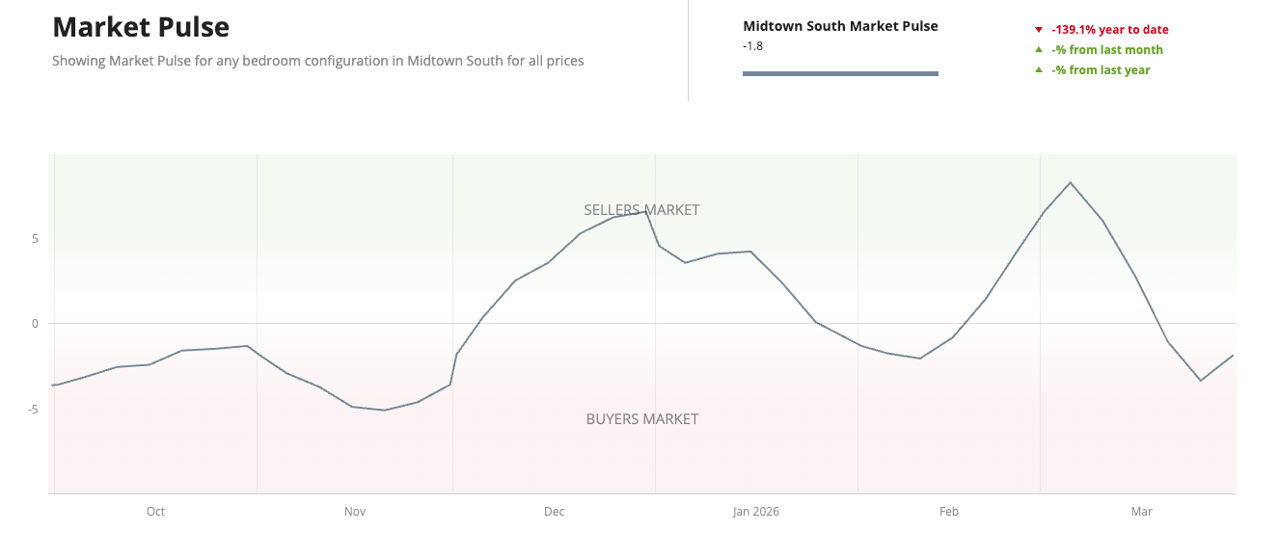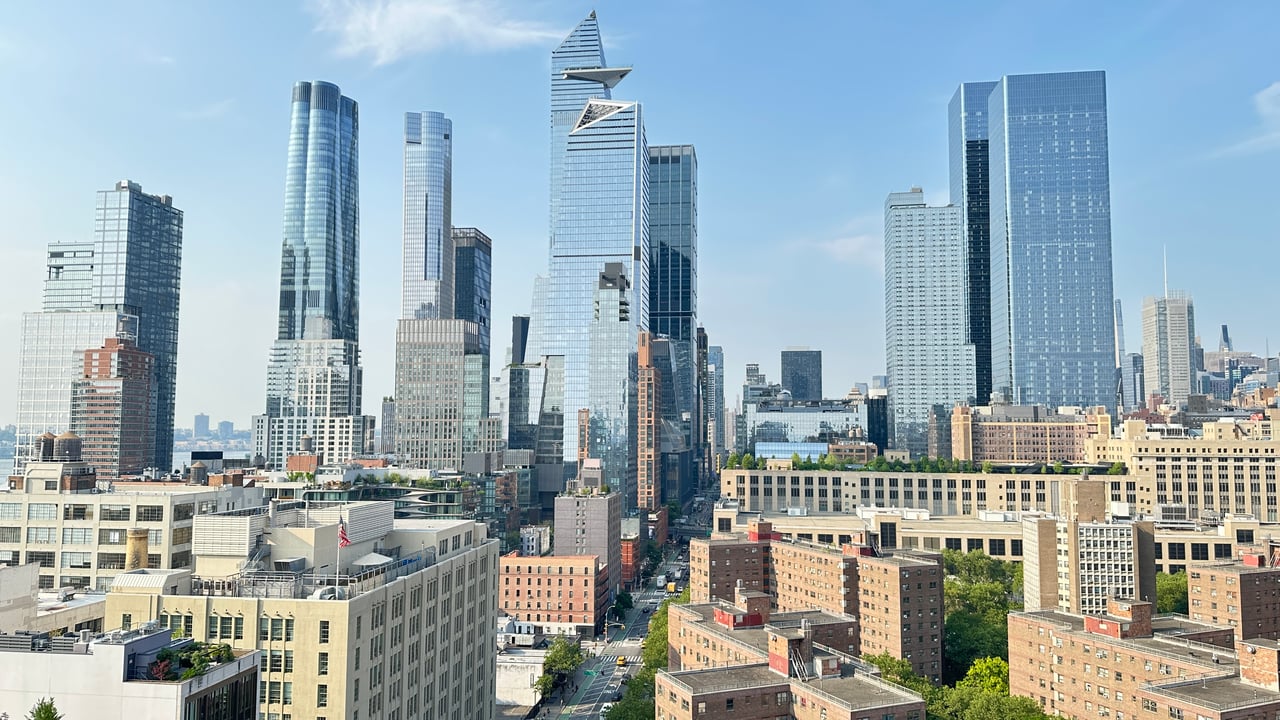
If you own a co-op or condo in the Garment District or Midtown South, the recent rezoning raises an important question:
How might this affect your apartment’s value — and over what timeline?
The answer is not immediate, and it is not uniform. But it is worth understanding carefully.
What Rezoning Historically Does to Property Values
Major Manhattan rezonings tend to unfold in stages.
First, zoning changes are approved.
Then developers begin planning.
Eventually, new buildings are delivered at higher price points.
Buyer perception shifts.
Comparable sales adjust.
And existing apartments are influenced.
This pattern has played out in areas like West Chelsea, Hudson Yards, Downtown Brooklyn, and Long Island City.
The most meaningful pricing impact typically occurs gradually, not in the months immediately following approval, but once new development begins establishing higher comparable sales.
The Likely Phases of Value Impact in Midtown South
If Midtown South follows a similar path, the impact will likely unfold in three phases.
Phase 1: Perception and Positioning (Now – 12 Months)
We are currently in the early perception phase.
-
Buyers are becoming aware that Midtown South is now a designated residential growth zone.
-
Lenders are growing more comfortable with the area’s long-term trajectory.
-
Sellers may experience improved confidence and steadier demand.
This phase tends to stabilize outlook rather than dramatically increase prices.
Phase 2: Comparable Sales Expansion (1–4 Years)
As new residential projects move forward:
-
Launch prices will likely reflect a forward-looking valuation of the neighborhood.
-
Higher-priced inventory may begin to reset buyer expectations.
-
Comparable sales could gradually trend upward.
This is typically when existing co-ops and condos begin to feel more measurable pricing support.
Phase 3: Neighborhood Maturity (4–8 Years)
Once:
-
New buildings are completed
-
Retail and public-realm improvements are visible
-
The residential identity of Midtown South becomes firmly established
The area may transition from “emerging” to “established.”
Historically, this is when pricing power strengthens most meaningfully.
Which Properties May Benefit Most?
Not all apartments respond equally to neighborhood transformation.
In previous rezoned Manhattan neighborhoods, the properties that benefited most often included:
-
Authentic loft-style co-ops
-
Boutique condominiums with distinctive layouts
-
Well-maintained smaller buildings
-
Units offering ceiling height, light, and character
As new construction introduces more uniform product, buyers frequently place added value on unique inventory that cannot be replicated.
Midtown South has a meaningful concentration of this type of housing stock.
Does New Supply Create Risk?
The Midtown South plan allows for roughly 9,500 new residential units over time.
Naturally, some owners ask whether increased supply could suppress resale values.
Historically in Manhattan, large-scale rezonings have more often expanded the buyer pool than diluted it. New development typically competes at a different price tier and can raise neighborhood price ceilings rather than compress them.
That said, outcomes depend on:
-
Market conditions at delivery
-
Interest rate environments
-
Absorption rates
-
Building-specific positioning
Supply should be evaluated as one variable among many — not in isolation.
What This Means for Garment District Co-op and Condo Values
It would be unrealistic to expect immediate appreciation solely due to rezoning.
However, the long-term value outlook for Midtown South appears stronger today than it did under prior commercial-heavy zoning restrictions.
For owners, the more important question becomes:
-
Are you selling during a transitional phase?
-
Or during a mature residential cycle with established higher comps?
In many cases, owners who hold through early redevelopment phases capture more upside. But that decision must be weighed against personal timing, financial goals, and broader market cycles.
A Strategic Approach Matters
Rezoning alone does not guarantee appreciation.
Market cycles, interest rates, political shifts, and building-level factors all influence value.
The advantage right now is awareness.
Owners who understand how zoning transitions typically unfold can:
-
Avoid selling into uncertainty
-
Avoid pricing based on speculation
-
Make timing decisions grounded in market data
-
Plan around multi-year appreciation cycles rather than short-term headlines
Midtown South is entering a transitional period. For many properties, the context has improved — even though the physical apartment has not changed.
And in Manhattan real estate, context often drives value as much as square footage.
If you would like an objective, building-specific analysis of how Midtown South rezoning may influence your property value, I’m happy to provide one.
No pressure, just data.